So… What Exactly Is Trekking?
Trekking is one of the simplest yet most rewarding outdoor adventures you can experience. At its core, trekking means walking through natural landscapes — usually mountains, forests, valleys, or rugged trails — to explore places that are often untouched by roads and city life.
Unlike a casual walk in a park, trekking usually involves uneven paths, gradual climbs, rocky terrain, and longer distances. But that’s exactly what makes it exciting. Every trail feels different, every step reveals a new view, and the journey itself becomes part of the adventure.
Many people imagine trekking as something only professional adventurers do, but the truth is very different. Thousands of beginners start trekking every year with simple day hikes or short mountain trails. With the right preparation and mindset, trekking is an activity that almost anyone can enjoy.
In fact, some of the best trekking memories often come from the very first trail — the moment you step away from the noise of the city and into the calm rhythm of nature.
Why Trekking Is So Addictive
If you speak to people who trek regularly, you’ll often hear the same thing — trekking has a way of pulling you back again and again. What starts as a simple weekend activity often turns into a passion for exploring mountains, forests, and hidden trails.
- You get to explore places that vehicles simply cannot reach
- The calm and silence of nature helps reduce stress and clear your mind
- Every trek feels like a small adventure filled with discovery
- It naturally improves your stamina, strength, and endurance
- You experience beautiful sunrises, valleys, forests, and mountain views
- You meet people who share the same love for adventure and nature
Another reason trekking feels so rewarding is the sense of achievement it brings. When you reach a summit, viewpoint, or fort after hours of walking, the view feels more special because you earned it. That feeling of accomplishment is something many trekkers look forward to every time they hit the trail.
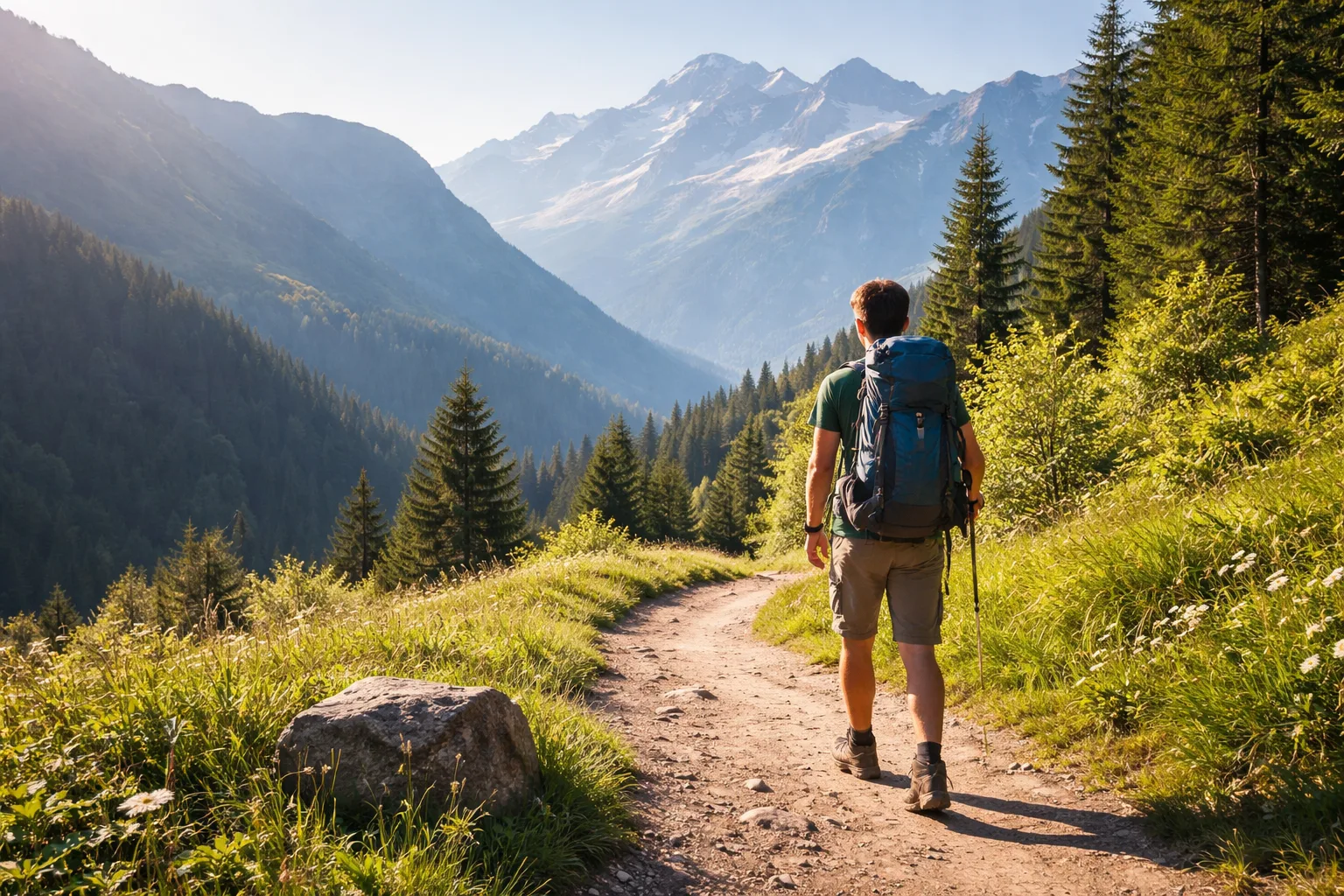
Many great trekking journeys start with a simple first trail.
How Beginners Should Start Trekking
Starting your trekking journey doesn’t require expensive gear or extreme fitness. What matters most is choosing the right trail and preparing yourself properly for the experience.
Many beginners make the mistake of choosing very difficult treks right away. Instead, it’s always better to begin with shorter and easier trails. This helps your body adjust to walking on uneven terrain and allows you to enjoy the journey without unnecessary pressure.
- Start with beginner-friendly treks or short hiking trails
- Wear comfortable trekking shoes or sports shoes with good grip
- Carry enough water to stay hydrated during the walk
- Pack light snacks like dry fruits, fruits, or energy bars
- Start early in the morning to avoid heat and crowds
- If possible, trek with friends or a guided group
Once you complete a few beginner treks, your confidence will naturally grow. Your body adapts to longer walks, your stamina improves, and you begin understanding how to manage your pace, hydration, and energy levels on the trail.
Mistakes First-Time Trekkers Often Make
Trekking itself is not very complicated, but beginners sometimes overlook small details that can make the experience uncomfortable. Learning from these common mistakes can help make your first trek smoother and more enjoyable.
- Packing too many unnecessary items and carrying a heavy bag
- Wearing brand new shoes that cause discomfort or blisters
- Walking too fast at the beginning and getting tired quickly
- Not drinking enough water during the trek
- Ignoring weather forecasts before planning the trek
- Underestimating how long the trek may take
The best way to avoid these issues is to keep things simple. Pack only what you need, maintain a steady pace, and always listen to your body while trekking.
What Your First Trek Will Feel Like
Your first trek will likely be a mix of excitement, curiosity, and a bit of physical effort. Walking uphill may feel challenging at times, especially if you are not used to it. But as you continue, your body finds a rhythm and the journey starts to feel more enjoyable.
Along the way you’ll notice small things — the sound of wind moving through trees, the changing colors of the landscape, or the quiet beauty of a mountain trail. These moments are what make trekking so special.
And then comes the highlight: reaching the top. Whether it’s a mountain peak, a fort viewpoint, or a sunrise point, that moment often becomes unforgettable. The view feels more meaningful because you worked to reach it.
For many people, that first trek becomes the start of a lifelong love for exploring nature.
Mototrek Tip
If you're completely new to trekking, joining an organized trek can be one of the easiest ways to begin. Experienced trek leaders help guide the group, share useful tips along the way, and ensure everyone stays safe on the trail. It also gives beginners a chance to learn trekking basics while enjoying the journey with like-minded people.