Stay Calm and Assess the Situation
Injuries can sometimes happen during trekking, especially on rocky trails, slippery paths, or steep descents. While most trekking injuries are minor, it is important to respond calmly and carefully if someone in your group gets hurt.
The first and most important step is to stay calm. Panic can make the situation more stressful for both the injured person and the rest of the group. Take a moment to assess what happened and understand the seriousness of the injury.
Check if the person is conscious, able to speak clearly, and capable of moving without severe pain. Look for visible signs of injury such as cuts, swelling, or difficulty standing.
Understanding the situation clearly helps you decide the next steps and ensures the injured person receives proper care.
Move the Person to a Safe Spot
If the injury occurs on a narrow trail, near steep edges, or in a risky location, carefully help the person move to a safer and more stable area if possible.
- Move away from slippery rocks or steep slopes
- Choose flat and stable ground if available
- Ensure the person can sit or rest comfortably
- Keep the group calm and organized
If the person is unable to move due to severe pain or suspected fractures, avoid forcing them to walk. In such cases, keeping them stable and comfortable is more important.
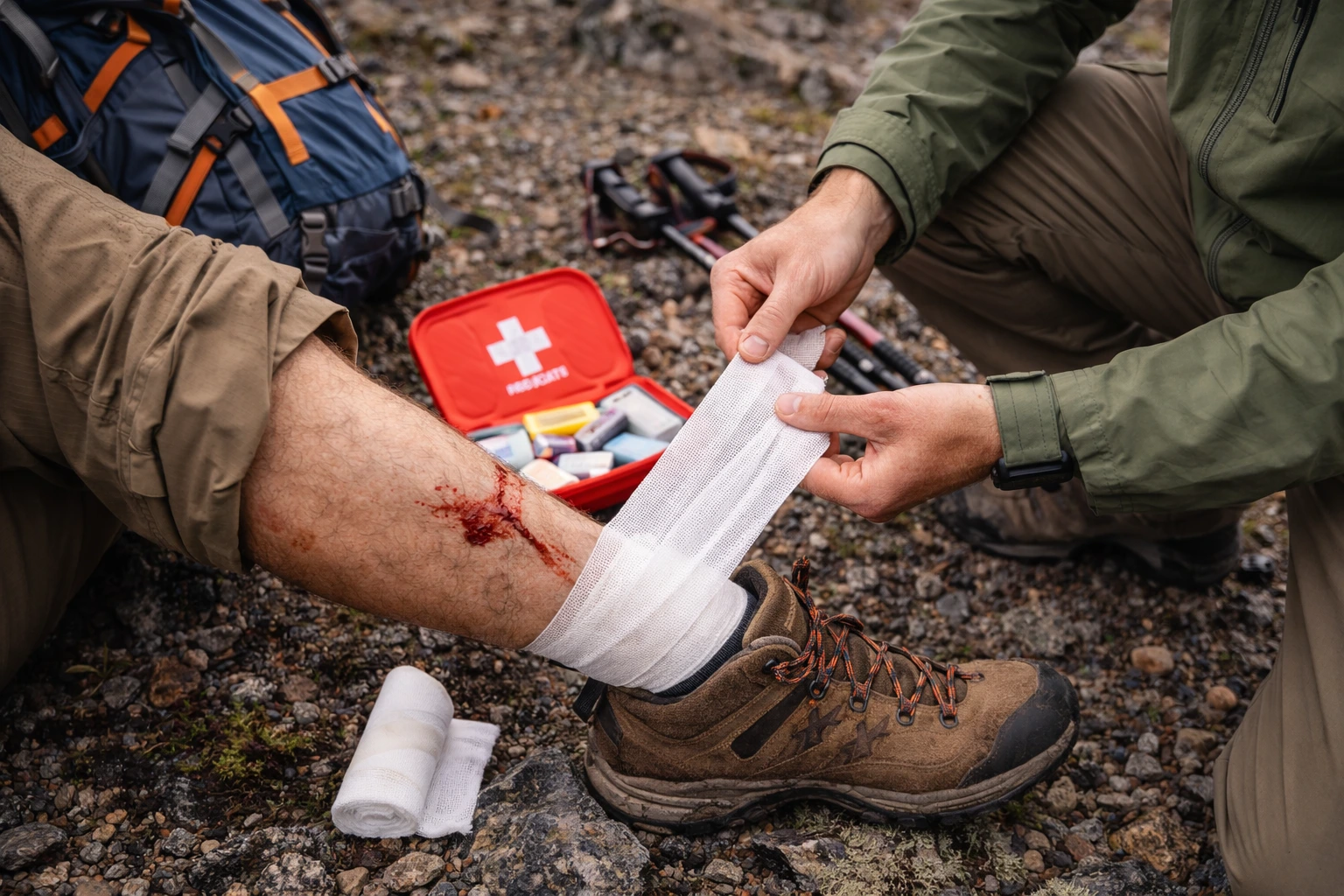
Basic first aid knowledge can be extremely useful during trekking emergencies.
Provide Basic First Aid
A small first aid kit is an essential item for every trek because it allows you to treat minor injuries immediately.
- Clean and cover small cuts with antiseptic and bandages
- Apply cold packs or compression for swelling
- Use pain relief spray for muscle strains
- Support sprained ankles with bandages if needed
- Ensure the injured person stays hydrated
Most minor injuries such as small cuts, scrapes, or mild sprains can be managed easily with basic first aid.
Decide Whether to Continue or Turn Back
After providing first aid, it is important to evaluate whether the injured person can safely continue the trek. If the injury is minor and the person feels comfortable walking slowly, the group may continue cautiously.
However, if the injury involves severe pain, dizziness, inability to walk, or suspected fractures, it is usually safer to turn back and head toward the nearest exit point or base.
The safety of the injured person should always take priority over completing the trek.
Seek Help If Needed
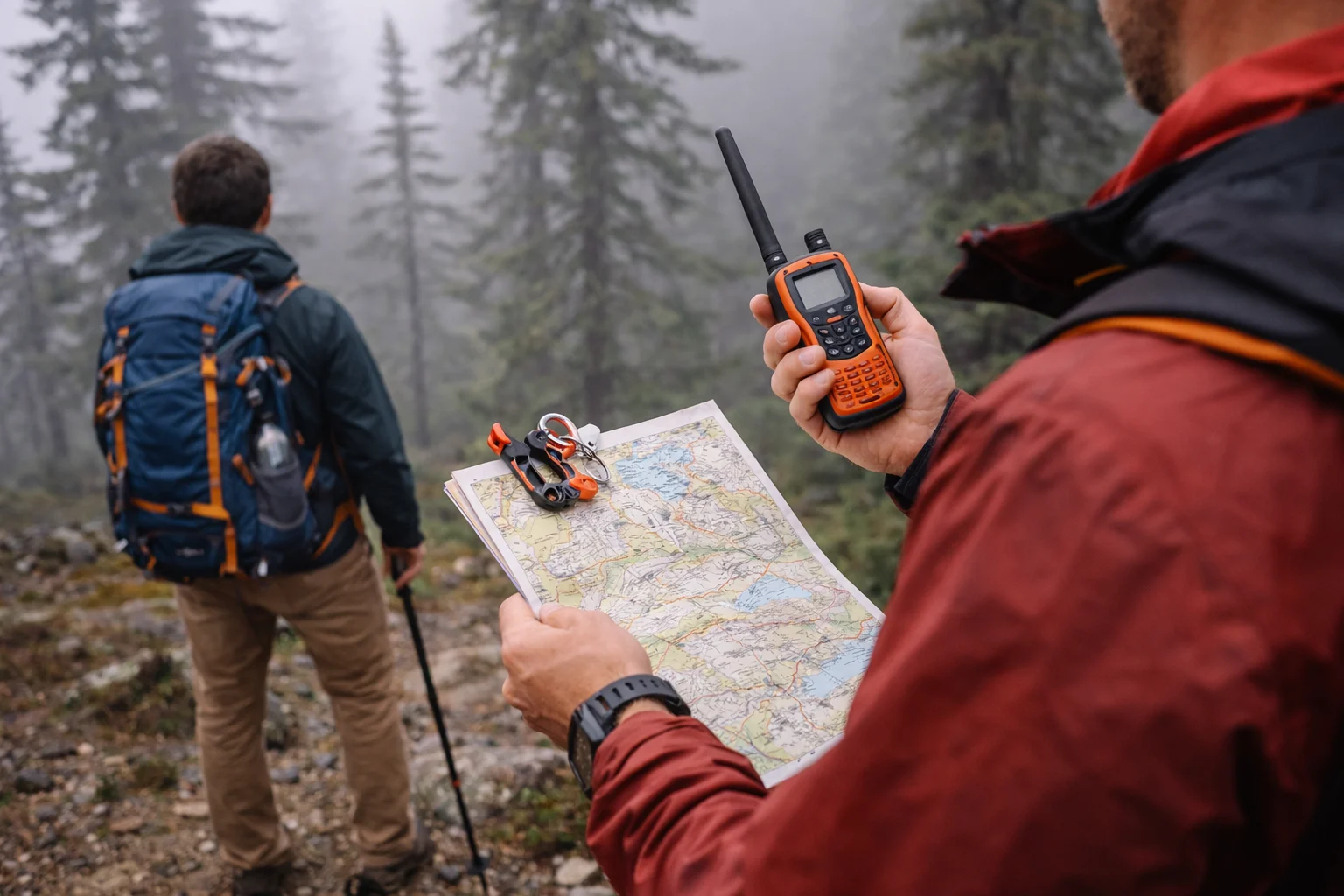
In more serious situations, it may be necessary to seek outside help. If mobile network is available, contact local rescue teams, forest authorities, or emergency services.
If there is no network coverage, some members of the group may need to carefully descend the trail to reach an area where help can be contacted.
Always make sure the injured person is not left alone. At least one or two people should stay with them until help arrives or the group safely returns.
Planning ahead, carrying a first aid kit, and trekking with experienced leaders can greatly reduce the risks during outdoor adventures.
Mototrek Tip
Before starting any trek, ensure that at least one person in the group knows basic first aid. Being prepared for emergencies can make a big difference in handling unexpected situations safely.