Why Trekking Safety Is Important
Trekking is one of the most rewarding ways to explore nature, but like any outdoor activity, it also comes with certain risks. Uneven terrain, unpredictable weather, long walking distances, and remote locations can sometimes make trekking challenging if you are not properly prepared.
The good news is that most trekking problems can be avoided by following a few simple safety practices. Experienced trekkers rarely rely on luck — they focus on preparation, awareness, and responsible decision-making.
Understanding the basics of trekking safety not only helps prevent accidents but also allows you to enjoy the journey with greater confidence. Whether you're exploring a short hill trail or a longer mountain trek, safety should always be part of your planning.
A safe trek is usually a memorable trek, because when you feel prepared and confident, you can focus on enjoying the beauty of the trail around you.
Plan Your Trek Properly
Good planning is one of the most important parts of trekking safety. Before starting any trek, it’s important to understand the trail, the weather conditions, and the time required to complete the route.
- Research the trekking route and difficulty level
- Check weather forecasts before leaving
- Start your trek early to avoid rushing before sunset
- Understand how long the trek usually takes
- Inform a friend or family member about your trekking plan
Proper planning helps reduce uncertainty and allows you to prepare for the conditions you might encounter on the trail.
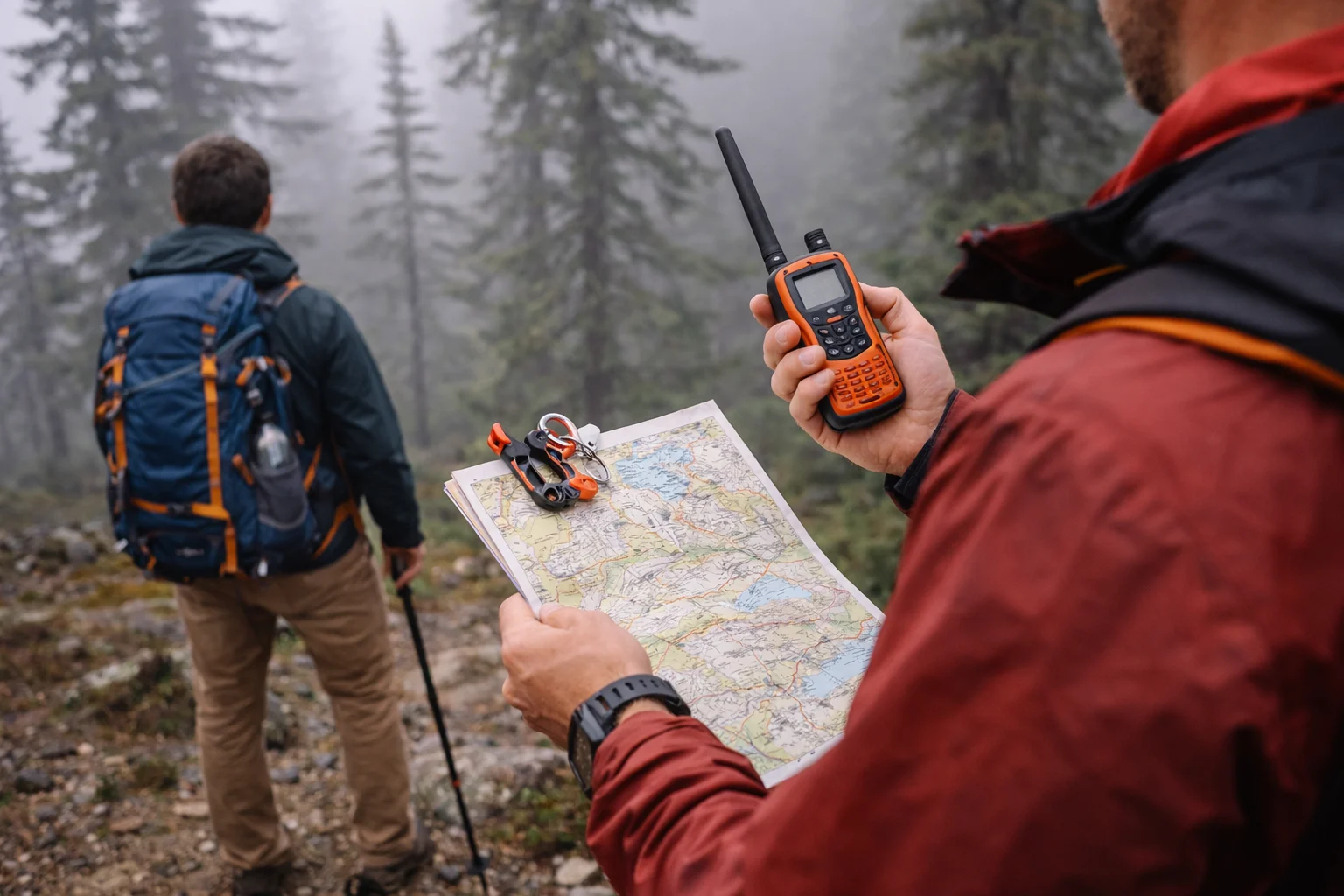
Preparation and awareness are key parts of trekking safety.
Carry Essential Trekking Gear
Having the right gear can make a significant difference during a trek. While you don’t need expensive equipment for most trails, carrying a few essential items can improve safety and comfort.
- Comfortable trekking shoes with good grip
- A small backpack for essentials
- Sufficient drinking water
- Energy snacks such as fruits or dry fruits
- A flashlight or headlamp for low-light situations
- A basic first aid kit
Carrying these essentials ensures you are better prepared for unexpected situations during the trek.
Stay Aware of Your Surroundings
One of the most important safety habits during trekking is staying aware of your surroundings. Trails can sometimes become slippery, narrow, or uneven, especially in mountain areas.
Pay attention to where you place your feet, particularly on rocky sections or steep slopes. Avoid rushing through the trail, and maintain a steady pace that allows you to stay balanced and alert.
Listening to your body is also important. If you feel extremely tired or dizzy, take a break and hydrate before continuing. Trekking should be enjoyable, not exhausting.
Trek With Others When Possible
While solo trekking can be an amazing experience, beginners are usually safer trekking with friends or organized groups. Having others around provides support in case someone feels unwell or encounters difficulty on the trail.
Group trekking also allows people to share navigation responsibilities, monitor weather conditions, and assist each other when crossing difficult sections.
For first-time trekkers especially, joining a guided trek can be very helpful. Experienced trek leaders understand the trail, know the safety protocols, and can guide the group effectively throughout the journey.
Even experienced trekkers often prefer group treks when exploring unfamiliar routes.
Mototrek Tip
The safest trekkers are usually the ones who stay patient and aware throughout the journey. Walk at a comfortable pace, stay hydrated, and respect the trail conditions. Small safety habits can make a big difference in ensuring a smooth and enjoyable trekking experience.