Why Weather Awareness Is Important During Treks
Weather is one of the most important factors that can influence a trekking experience. While a trek might start under clear skies and pleasant temperatures, conditions in hills or mountains can change quickly. Sudden rain, strong winds, fog, or extreme heat can make trails more challenging and sometimes even dangerous.
Unlike city environments where shelter is easily available, trekking routes often pass through forests, mountains, and remote areas where protection from weather conditions may be limited. Because of this, being aware of weather patterns and preparing for different situations is an essential part of trekking safety.
Many experienced trekkers make it a habit to check weather forecasts before every trek and plan their routes accordingly. Understanding the possible weather conditions helps trekkers carry the right gear, choose appropriate clothing, and make smarter decisions during the journey.
Weather awareness does not mean avoiding trekking altogether. Instead, it helps you adapt to nature responsibly and enjoy the adventure safely.
Check the Weather Forecast Before Starting
One of the simplest and most effective safety practices is checking the weather forecast before heading out on a trek. A quick weather check can help you understand expected temperatures, chances of rainfall, wind conditions, and visibility levels.
- Check temperature and weather conditions for the entire trekking day
- Look for warnings related to heavy rainfall or storms
- Understand sunrise and sunset timings
- Avoid treks during extreme weather alerts
- Monitor weather updates if the trek spans multiple days
Even if the forecast appears favorable, it is still wise to prepare for sudden changes. Mountain and forest environments can sometimes experience rapid shifts in weather conditions.
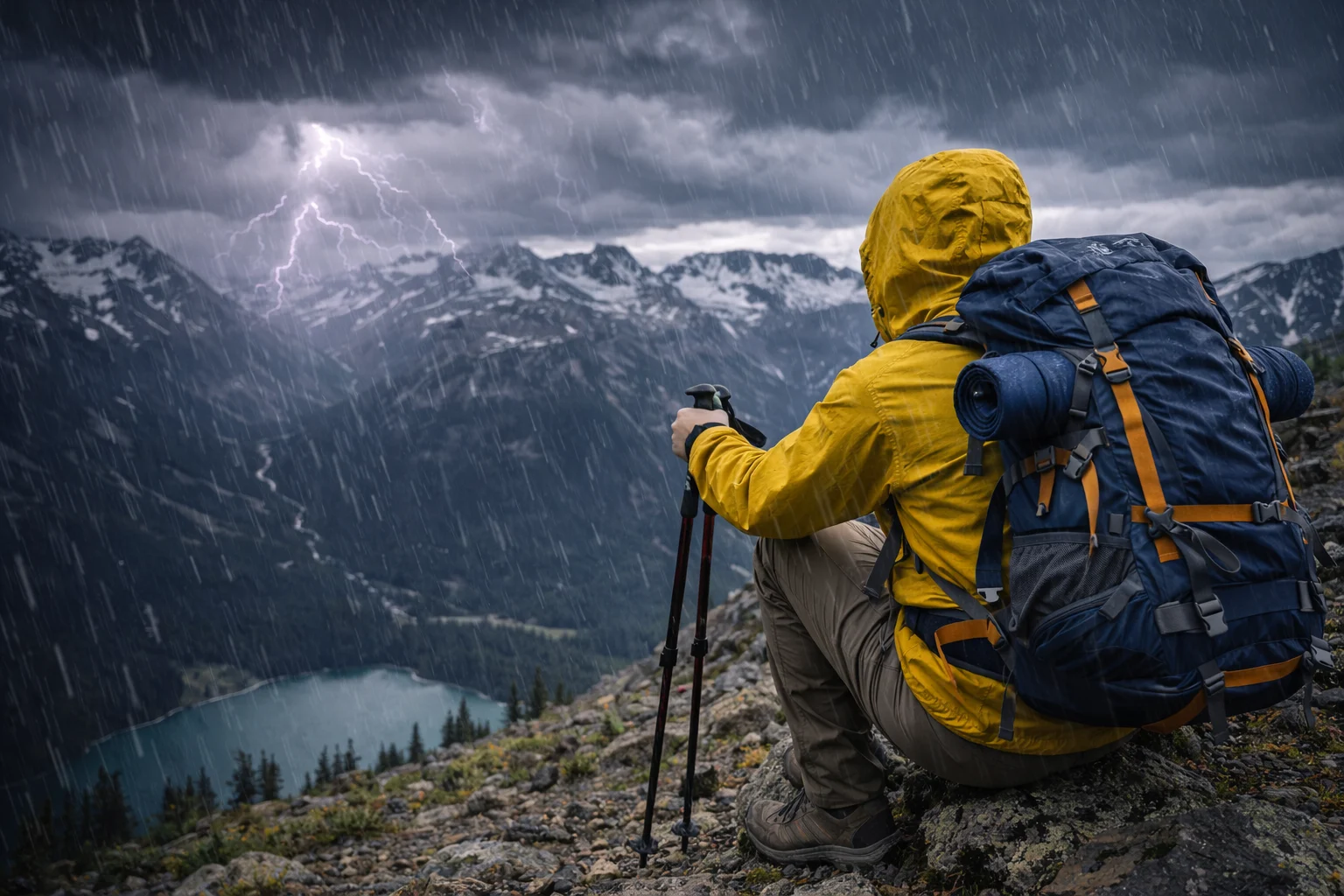
Weather conditions can change quickly in mountainous trekking regions.
Preparing for Rain During a Trek
Rain is one of the most common weather challenges during trekking, especially in monsoon regions. While rain can make the surroundings beautiful and refreshing, it can also create slippery trails, muddy paths, and reduced visibility.
Trekkers should always be prepared for unexpected rain showers. Carrying a lightweight rain jacket or poncho can help keep your body dry and comfortable. A waterproof cover for your backpack is also useful to protect essential items such as phones, cameras, and clothing.
When trekking during rainy conditions, walk carefully on wet rocks and muddy trails. Maintaining slower, controlled steps helps reduce the risk of slipping.
Rainy weather can still offer amazing trekking experiences, but preparation and caution are important to ensure safety.
Handling Extreme Heat While Trekking
Hot weather can be just as challenging as rainy conditions during a trek. Trekking under strong sunlight for long hours can lead to dehydration, fatigue, or heat exhaustion if proper precautions are not taken.
To stay safe during hot weather treks, it is important to start early in the morning when temperatures are cooler. Carrying sufficient water and drinking regularly helps maintain hydration levels throughout the trek.
Wearing breathable clothing, using a hat or cap for sun protection, and applying sunscreen can also help reduce the effects of strong sunlight.
Taking short breaks in shaded areas whenever possible allows your body to recover and maintain energy levels.
Dealing With Fog and Low Visibility
Fog and mist are common in mountainous regions and forest trails, especially during early mornings or rainy seasons. While fog can create beautiful scenery, it may also reduce visibility and make navigation more difficult.
During foggy conditions, trekkers should stay close to their group and avoid wandering away from the trail. Moving slowly and carefully helps prevent wrong turns or accidental slips.
Using navigation tools such as GPS apps or trail markers can help maintain direction when visibility becomes limited. If conditions become too difficult to navigate safely, it may be better to wait until visibility improves.
Weather conditions like fog remind trekkers that nature is unpredictable, and adapting to these situations calmly is part of the trekking experience.
Know When to Turn Back
One of the most important principles of trekking safety is recognizing when weather conditions are becoming unsafe. Strong storms, heavy rainfall, lightning, or sudden temperature drops can make continuing the trek risky.
In such situations, the safest decision may be to pause, seek shelter, or return to a safer location. Experienced trekkers understand that completing a trek is never more important than personal safety.
Turning back does not mean failure. In fact, it often shows good judgment and respect for nature. The mountains and trails will always be there for another attempt under better conditions.
Being flexible with your plans and prioritizing safety helps ensure that trekking remains a positive and enjoyable experience.
Mototrek Tip
Always treat weather as an important part of your trek planning. Checking forecasts, carrying proper gear, and staying aware of changing conditions can help you enjoy the adventure while staying safe on the trail.